
By Dean Otto, Cohana Homes
Over the past decade we’ve seen a significant shift in how people think about “home”. Increasingly, consumers (and communities) are putting well-being, ecology, and sustainability at the center of what they consider ideal living — not just as a personal lifestyle choice, but as a collective vision for our future.
- The global wellness real-estate market is growing rapidly: “wellness communities” — places designed around health, connection, and holistic living — are among the fastest-growing segments in real estate development.
- The motivation: people are looking for spaces that deliver more than four walls — communities that nurture physical health (clean water, healthy food, fresh air), mental/spiritual well-being (nature, peace, social cohesion), and environmental conscience (regeneration, low-impact living).
This model goes beyond traditional “green building” or “eco-friendly” design. Instead of simply minimizing harm, these communities aim to regenerate ecosystems, restore watershed health, support biodiversity, and rebuild a balanced relationship between humans and land.
What defines a “living-system” community
Communities like this tend to share a set of core traits:
- Integrated water, waste, and food systems — sustainable water sourcing and purification, local food production (organic farming, permaculture), composting and waste reuse, nutrient cycles.
- Connection with nature and ecosystem restoration — building within or near natural ecosystems, preserving or restoring native flora and fauna, supporting biodiversity rather than displacing it.
- Focus on health, wellness, and quality of life — access to fresh food, clean water, natural surroundings; community and social connection; slower, more intentional lifestyle.
- Self-sufficiency and resilience — with local food production, waste recycling, water management and minimal reliance on industrial infrastructure, these communities are often more resilient to supply-chain disruptions and environmental stress.
Collectively, such communities model what some call “regenerative living” — not just maintaining the environment, but actively healing and renewing it.
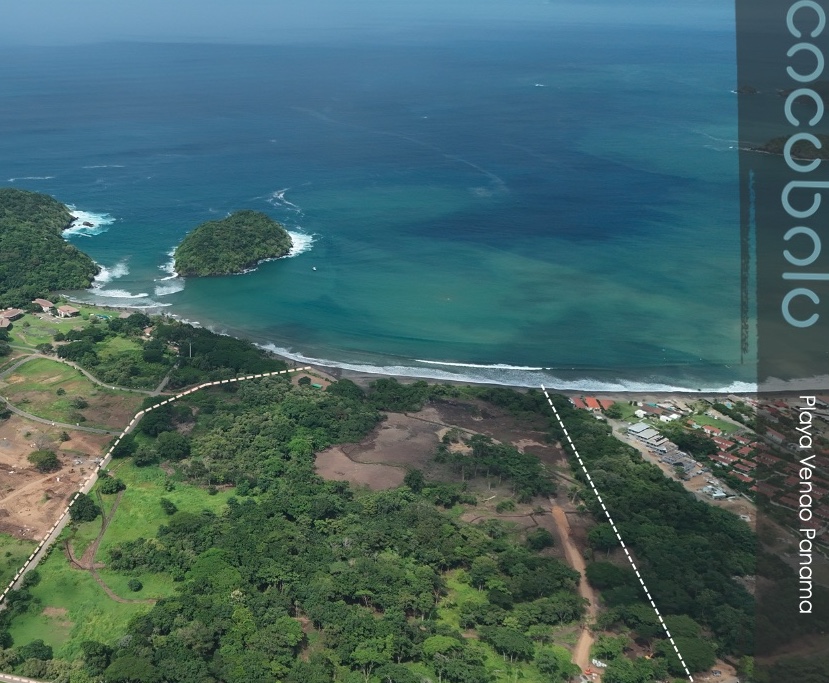
Cocobolo, Panama: A Real Example of a New Template
Cocobolo is a nature-centric community under development by Canopy Development Company in Playa Venao, Panama — blending modern living with ecological stewardship.
🌱 What makes Cocobolo stand out
- Ecosystem restoration: Cocobolo is built as a “living system of wellness for the land and its people,” aiming to restore a tropical dry forest ecosystem that had been degraded.
- Clean water and watershed protection: The project takes water seriously — caring for watershed health, maintaining natural water flows and protecting water sources for the land and community.
- On-site food systems and sustainable resource use: The community plans for innovative food systems, aiming to supply healthy food locally and reduce dependence on external supply chains.
- Biodiversity and wildlife protection: The land includes protected areas like old-growth forest and a mangrove reserve; the design intentionally preserves native habitats.
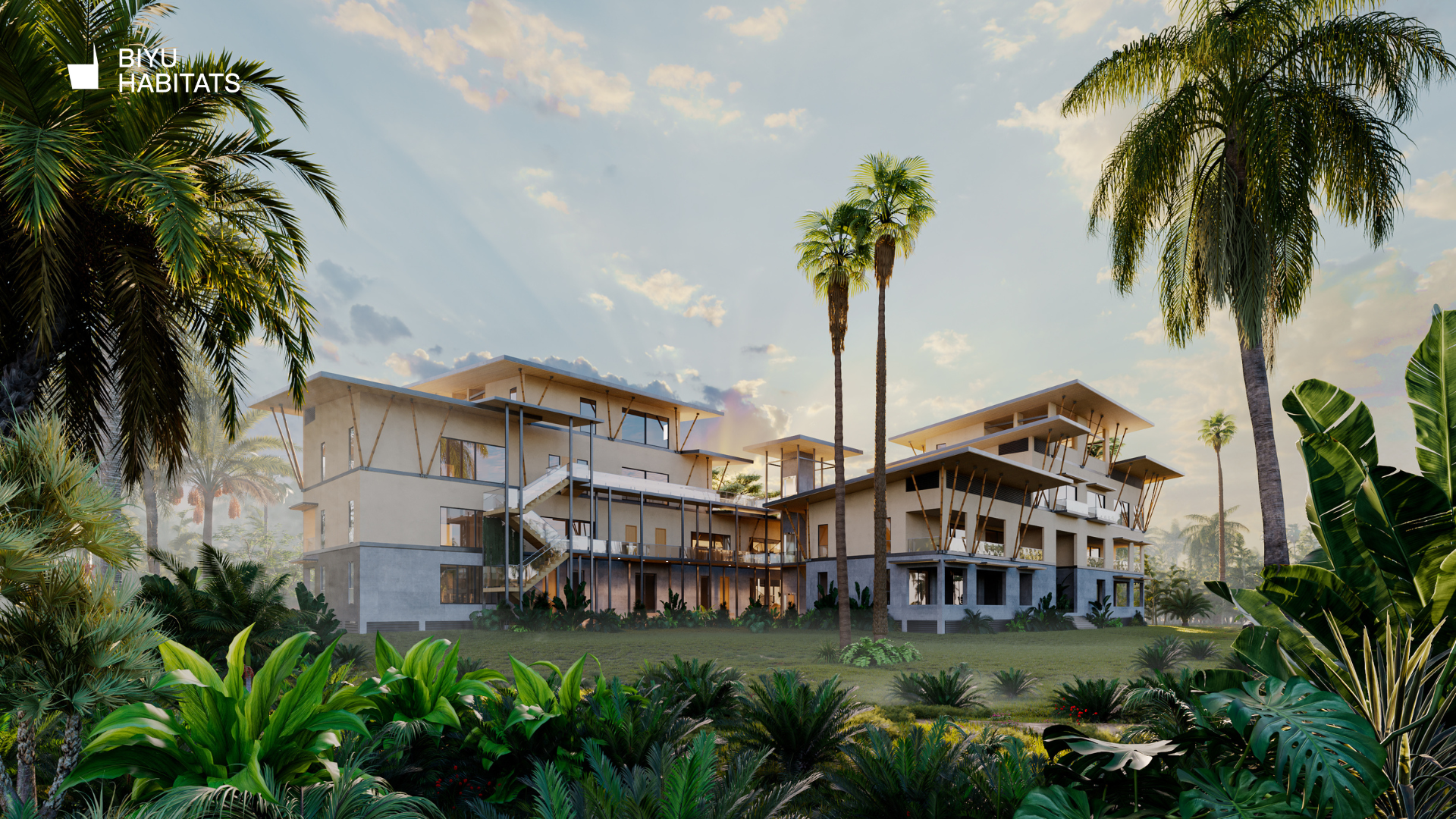
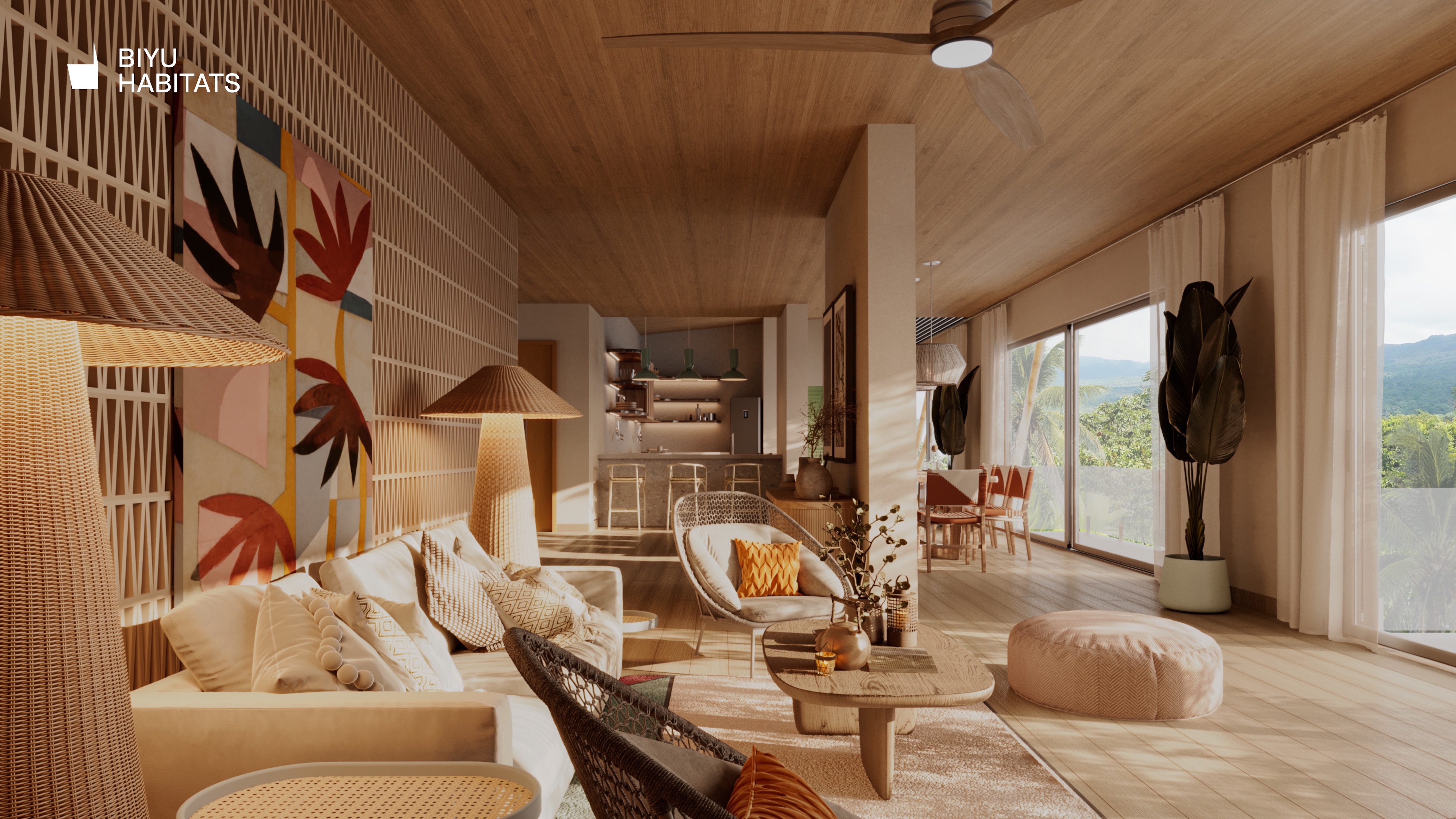
- Blending comfort with conservation: Cocobolo offers modern housing (1-, 2-,3-bedroom homes and penthouses) with access to amenities, but within a framework deeply rooted in ecological integrity, community, and wellness.
In doing so, Cocobolo is helping define a new “template” for real-estate and community development — one where growth doesn’t mean sacrifice of the natural world, but symbiosis with it.
Why More People Are Drawn to This Model
For many, traditional urban living — heavy reliance on centralized infrastructure, long supply chains, disconnection from nature — no longer satisfies. They’re searching for something deeper: a way of living that aligns with values of health, ecology, community, and long-term sustainability.
- Health and well-being: Access to clean water, fresh food, nature and green space — all vital to physical and mental health.
- Climate resilience & resource security: Local food production and responsible resource use reduce reliance on fragile global supply chains — a major benefit as climate challenges intensifies.
- A sense of belonging & shared purpose: Living among people who share values of environmental respect, community connection, and regenerative living.
- Investing in future generations: Creating communities that don’t just sustain, but improve the land — for residents, for local wildlife, and for future caretakers of the earth.
As people globally begin to prioritize these values, demand for “wellness + conservation + regenerative” communities rises.
Challenges & What’s Next
That said, this model isn’t without challenges. Regenerative communities must:
- Carefully balance development with conservation — building housing & infrastructure while preserving or restoring ecosystems.
- Invest in thoughtful planning for water management, waste, food systems — often more complex than conventional developments.
- Foster community values and shared responsibility — requiring commitment from all residents, not just developers.
- Ensure long-term ecological integrity — protecting biodiversity, maintaining water and soil health, avoiding overuse or degradation over time.
But for communities like Cocobolo — and others inspired by this example worldwide — the effort may be worth it. As climate concerns, ecological degradation, and a craving for meaningful living converge, regenerative, wellness-centered communities may well become the new standard.
Conclusion: A Growing Movement Rooted in Regeneration
The growing popularity of wellness and conservation communities reflects a broader shift: a recognition that how and where we live matters — not just for comfort or convenience, but for our health, our communities, and the planet.
With its ambitious vision, ecosystem restoration, and commitment to holistic living, Cocobolo in Panama offers a compelling example of what’s possible when development embraces nature rather than replaces it.
If more communities — designers, developers, and residents —follow this path, we could see a wave of regenerative living rise around the world, reshaping real estate, lifestyle, and our relationship with the Earth.
For more information about co-ownership opportunities, contact Cohana Homes at cohanahomes@gmail.com or cohanahomes.com


